ServicesRoof Replacement
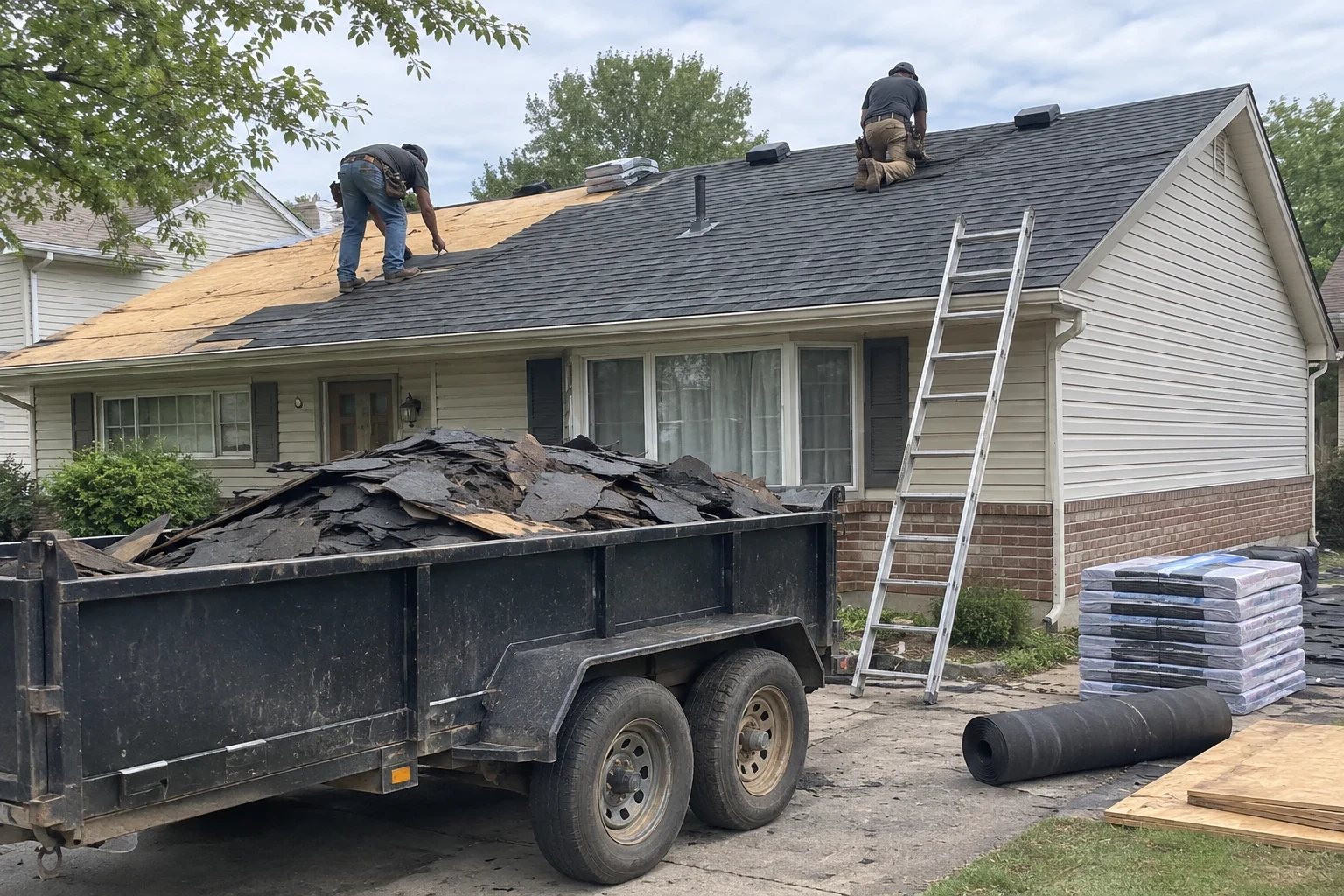
Roof Replacement in Warren Park, IN
A new roof is a big decision, so we start by looking. We check the shingles, flashing, decking and attic ventilation, show you photos of what we found, and tell you plainly whether replacement makes sense or a repair will carry you for years.
When Replacement Is the Right Call
Replacement makes sense when the roof has failed as a system, not just in one spot. Shingles that have lost most of their granules, brittle tabs that crack when lifted, soft decking across several areas, or leaks showing up in more than one room all point the same way. Patching one of those problems leaves the rest still aging on your home.
If the damage is limited to a few shingles, a cracked pipe boot or loose flashing at a chimney, we will say so and point you to roof repair instead. That answer comes from what we see on your roof, not from a sales target.
Central Indiana roofs take freeze-thaw cycles, ice along the eaves and summer heat in the same year. A replacement done right accounts for all of it with proper underlayment, ice barrier and ventilation, so the new shingles or metal panels last as long as they are rated to.
What Goes Into Your New Roof
- 01
Full strip to bare wood
Every old layer comes off until the sheathing is exposed. New shingles laid over old ones conceal rot, hold heat and cut years off the new roof.
- 02
Sheathing check and board replacement
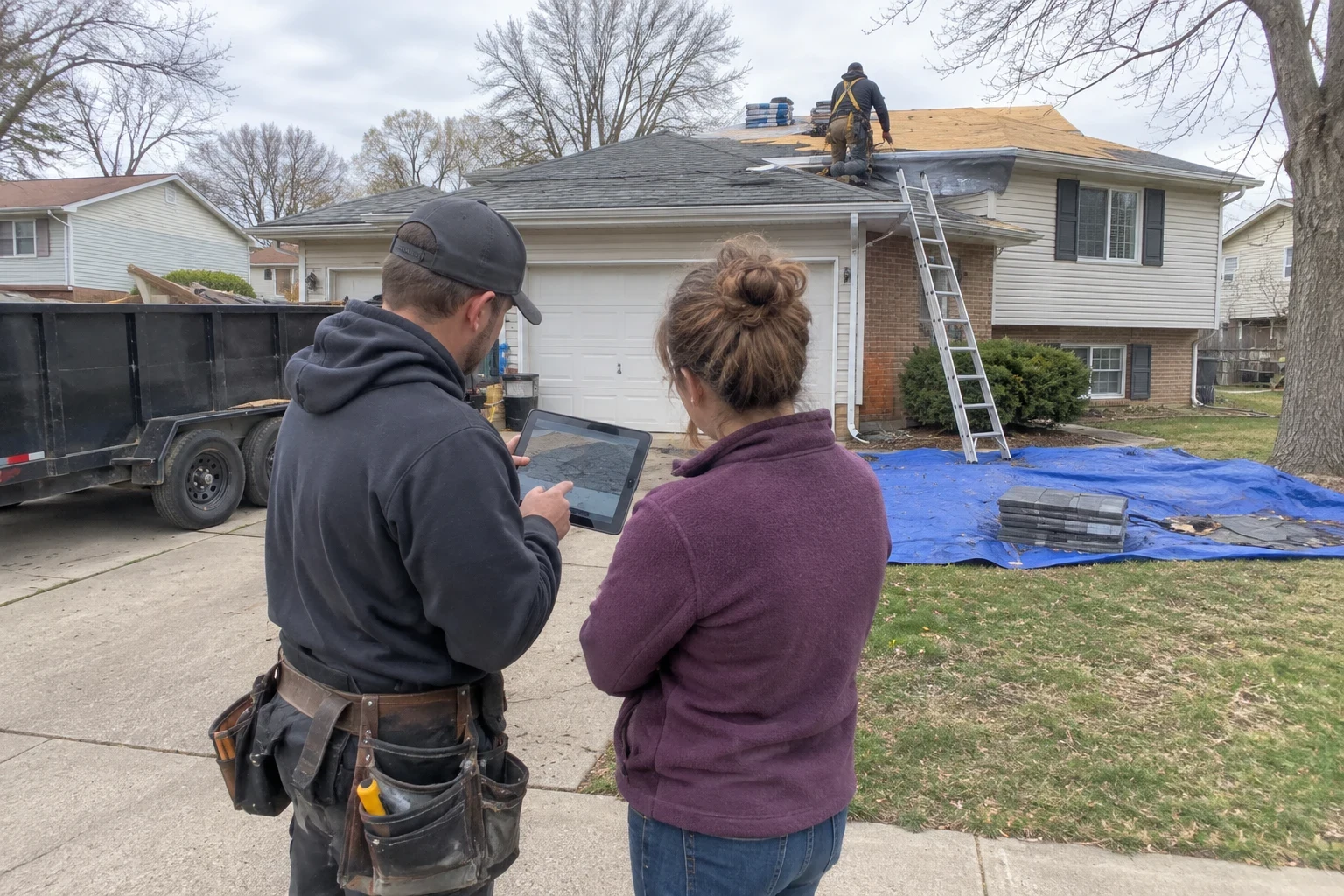
Once the wood is bare, we go section by section looking for soft spots, delaminated plies and raised nails. Bad plywood or plank boards get replaced before the new layers go on, and you see photos of each swap.
- 03
Ice barrier and underlayment
A self-adhering ice and water membrane lines the eaves and valleys, the spots where ice dams form and runoff collects. Synthetic underlayment covers the rest of the deck as a second line of defense if water ever gets past a shingle.
- 04
Fresh flashing and drip edge
Step flashing along walls, chimney flashing, pipe boots and drip edge are all replaced with new metal and rubber instead of being reused. On a newer roof, leaks most often begin at flashing rather than out in the open field of shingles.
- 05
Balanced attic airflow
Soffit intake and ridge exhaust are sized to work together. Without that balance, shingles bake from underneath in summer, and warm, damp attic air feeds frost and ice dams in winter.
- 06
The material that fits your home
Architectural asphalt is the most common choice, and our Shingle Roofing page explains it. Standing seam and other panels are covered under Metal Roofing, and low-slope sections can be done in TPO.
Questions about Roof Replacement?
Call(317) 747-3889Signs Your Roof May Need Replacing
Granules in the gutters
When downspouts wash out handfuls of coarse grit, the shingles are shedding the mineral coating that shields the asphalt from sun. Once that layer is gone, the exposed asphalt dries out and cracks fast.
Curling, cupping or cracked shingles
Edges that lift or tabs that curl upward show the shingle has lost flexibility. Wind then gets underneath and tears them loose.
Sagging rooflines
A dip between rafters usually means the decking has absorbed water over time. That is a structural sign, and it needs a close look soon.
Leaks in more than one place
One stain is often a flashing or boot problem. Stains in several rooms, or daylight showing through attic boards, suggest the whole system is worn.
Repeated repairs
If you have patched the same roof several times in a few years, the money may be better spent on a roof that stops the cycle.
From First Look to Final Sweep
- 1
A close look, documented
We go over the shingles, flashing and penetrations up top, then head into the attic to check for water stains and airflow. Everything we note gets photographed, and you hear in plain terms what each issue is and why it matters.
- 2
Line-item estimate in writing
Materials, tear-off, likely decking work and ventilation changes each get their own line. We also explain up front how hidden deck damage is handled, so nothing catches you off guard partway through.
- 3
Permit and scheduling
If the city or county requires a permit, we pull it. The start date is set around the forecast, because the sealant strips on asphalt shingles bond best in mild, dry weather.
- 4
Strip and build
Landscaping is covered and siding and windows are shielded before the old roof comes off. Then we repair the deck and install the new system, which takes one to two days on most single-family homes.
- 5
Cleanup and final review
Debris is hauled off and a magnetic sweeper goes over the yard and driveway for nails. Before we leave, we show you the finished roof and answer whatever questions you have.
What Moves the Cost of a New Roof
Every roof is priced from its own measurements and condition, which is why we look first and quote second. The biggest variables are listed below, and each one appears as its own line on your estimate. Financing is available if you want to spread the cost out.
- Size and pitch
- Roof area sets the material count. Steeper pitches need extra safety setup and take longer to work.
- Layers to remove
- Each extra layer of old roofing on the house means more hours stripping and more weight hauled off to the landfill.
- Decking condition
- Rotted or delaminated boards must be replaced before new roofing goes on. We estimate this from the attic and confirm it once the deck is exposed.
- Material choice
- Architectural shingles, metal panels and TPO differ in cost, lifespan and install time.
- Penetrations and ventilation
- Chimneys, skylights, valleys and vent upgrades each add flashing and labor.
Common Questions About a New Roof
Can new shingles go right over the old ones?
We advise against it. A second layer hides any rot in the decking, traps heat against the new shingles and puts extra weight on the rafters. Taking the roof down to bare wood lets us catch deck problems before anything new is fastened over them.
How can I tell if I need a full replacement or just a repair?
That answer comes out of the inspection. When damage is confined to one area and the rest of the roof still has years in it, we recommend roof repair and explain our reasoning. When wear runs across the whole surface, we show you the photos that back up a replacement.
Will my insurance cover a new roof?
Coverage usually hinges on the cause. Hail and wind damage are often covered, while ordinary aging generally is not. We work with homeowners and insurance companies on storm damage claims and document what we find so your adjuster sees clear evidence. The Storm Damage Repair page walks through how that goes.
What if you uncover rotted decking during the job?
Work on that section pauses while we photograph the boards and show you. Your estimate already spells out how deck replacement is priced, so the cost structure is settled before tear-off starts.
How much of a mess will be left in my yard?
Very little. Shrubs and flower beds get tarped, debris goes straight into a dumpster or trailer, and we run a magnet over the lawn and driveway to pick up stray nails before leaving.
Can I pay for a new roof over time?
Financing is one of the options we offer. Once you have your line-item estimate in hand, we can go over how it would apply to your project.
Find Out What Your Roof Actually Needs
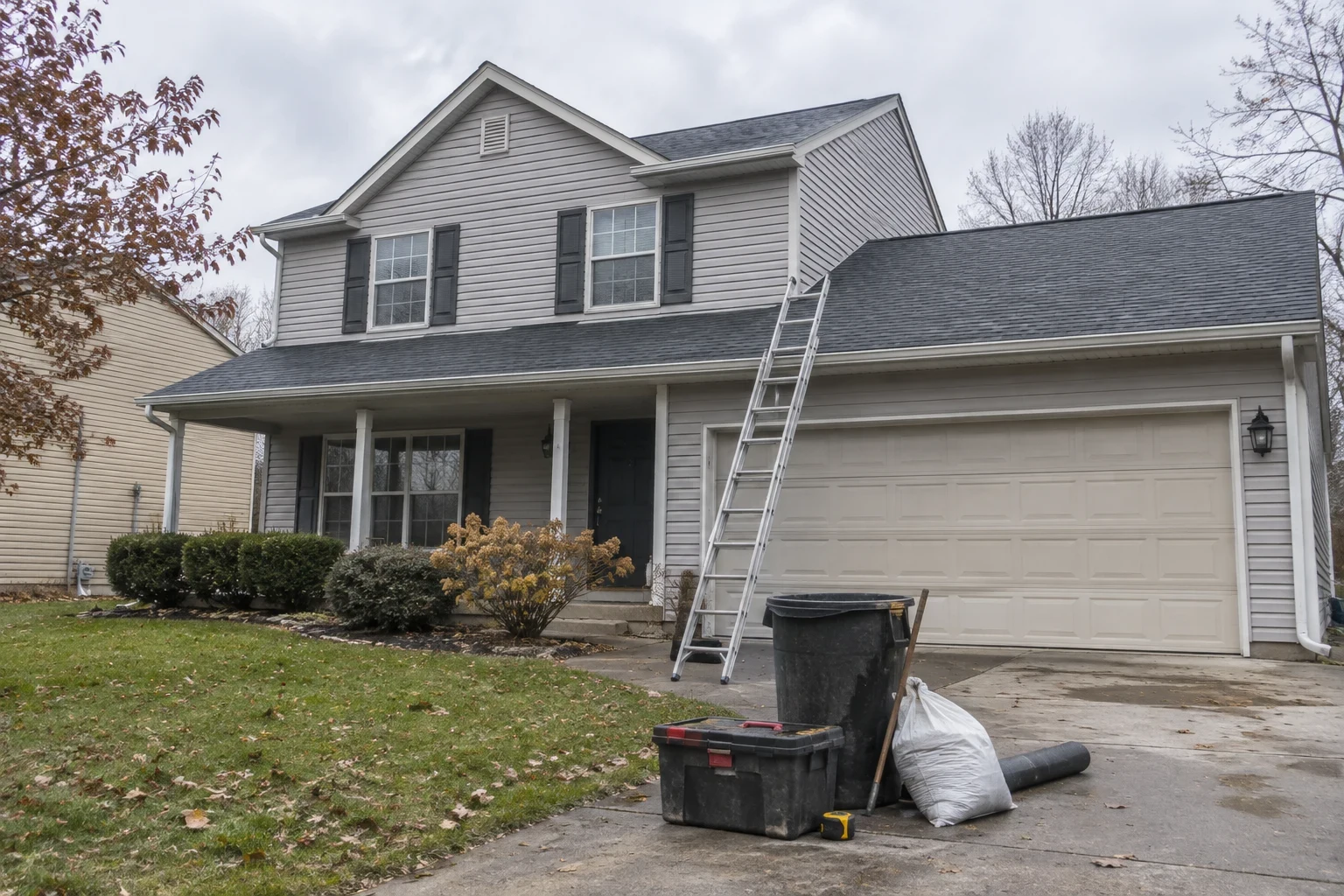
Before you commit to anything, let us look it over and show you what we see. You will know whether it is a repair or a replacement, and why.