ServicesShingle Roofing
Shingle Roofing in Warren Park
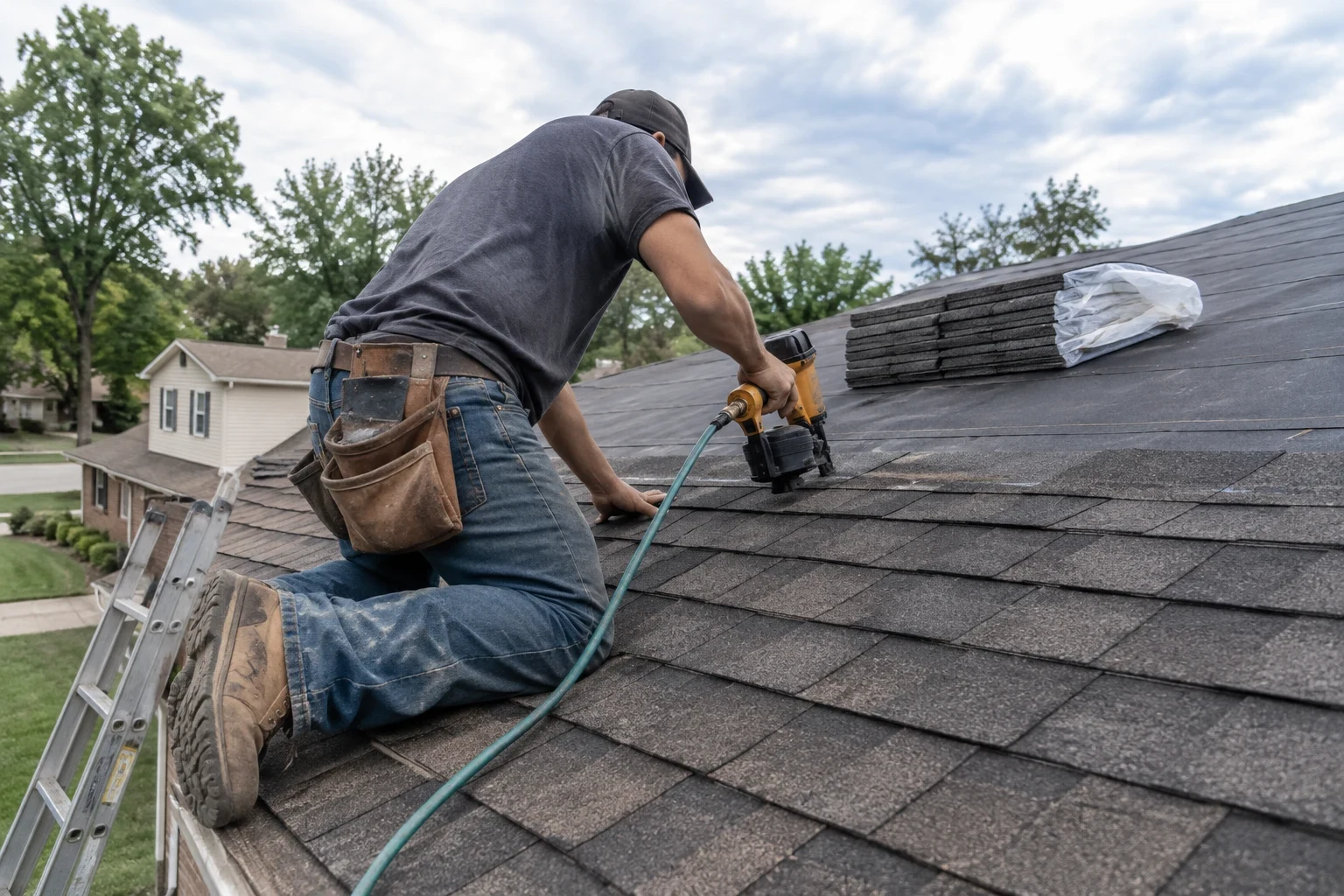
We install new asphalt shingle roofs on homes across Warren Park and the surrounding area. Every job starts with a free inspection of the deck, flashing and attic ventilation, so your quote reflects what your roof actually needs, written out line by line.
A shingle roof is more than shingles
What you see from the street is only the top layer. Under it sit the roof deck, the underlayment, an ice and water barrier at the eaves, drip edge, flashing at walls and chimneys, and the vents that let the attic breathe. When one of those parts is wrong, new shingles wear out early no matter how good the brand is.
So we look before we recommend anything. We walk the roof, go into the attic to check for daylight, water stains and damp sheathing, and photograph what we find. Then we tell you plainly whether a new shingle roof makes sense or whether a targeted roof repair will give you several more good years.
Most of the shingle roofs we install use architectural laminated shingles. They are thicker than older three-tab styles and carry a stronger seal strip, which helps them stay down in high wind.
What our shingle roofing work includes
- Tear-off down to the deck
- We remove the old shingles and underlayment down to bare sheathing instead of layering over them. That is the only way to find soft, delaminated or rotted decking and replace it before anything new goes on.
- Ice and water barrier
- A self-adhering membrane goes along the eaves and into the valleys. Indiana freeze-thaw cycles build ice dams that push meltwater uphill under shingles, and this layer keeps that water off the deck.
- Synthetic underlayment and drip edge
- Every part of the deck not under the ice and water barrier gets synthetic underlayment, so wind-driven rain that slips past a shingle still meets a water-shedding layer. Metal drip edge at the eaves and rakes directs water into the gutters instead of letting it wick into the fascia.
- New flashing and pipe boots
- We install new step flashing along sidewalls, counterflashing at chimneys and new pipe boots. Rubber boots crack after years of sun and cold, and they are one of the most common leak points we find.
- Balanced attic ventilation
- Air should come in low through the soffit vents and leave high through a ridge vent, in roughly equal amounts. Without that steady flow, a hot, humid attic cooks shingles from underneath in summer and helps ice dams form in winter.
- Cleanup and magnet sweep
- Debris goes straight into a dumpster, and we run a rolling magnet across the lawn, beds and driveway for loose nails before we leave.
Signs your shingles are wearing out
Granules in the gutters
Granules shield the asphalt from UV. Once they wash off in quantity, the exposed asphalt dries out and cracks faster. A little loss after a new install is normal; drifts of it from an older roof are not.
Curling or cupped edges
Edges that lift or centers that sink usually point to age, an overheated attic, or both.
Creased or missing tabs
A creased tab has broken its seal strip bond, so it will keep lifting in the next storm until it tears off.
Stains on ceilings or attic sheathing
Water often enters well uphill of the stain, at flashing or a failed pipe boot. We trace it to the source before calling it a shingle problem.
Ice dams every winter
Repeat ice dams usually mean poor ventilation or missing insulation, which shortens shingle life whatever the roof's age.
What moves the price of a shingle roof
We do not price a shingle roof until we have been on it. Two homes with the same footprint can land far apart because of roof shape and what is under the old shingles. Every line of your quote names a specific material or task with its own cost, so nothing is lumped together. Financing is available.
Size and pitch
We measure roofs in squares, and each square equals 100 square feet of surface. A steeper roof calls for harnesses, roof jacks and careful footing, so the crew covers less ground per hour.
Shingle line
Standard architectural shingles, designer profiles and impact-rated shingles differ in cost. We explain where an upgrade actually pays off on your roof.
Deck condition
Soft or delaminated sheathing must be replaced before new shingles go on. The amount is never fully known until tear-off, which is why we price it per sheet.
Complexity and layers
Valleys, dormers, chimneys and skylights add flashing and labor. A second layer of old shingles to remove adds disposal weight and time.
How a shingle job runs, start to finish
- 1
Free inspection with photos
We check the roof surface, flashing, gutters and attic, then walk you through the photos. You get a straight answer on repair versus replacement.
- 2
Written line-item quote
The quote lists shingles, underlayment, flashing, ventilation and the permit. Decking replacement is priced per sheet, so if we find more rot on tear-off day, you already know the cost.
- 3
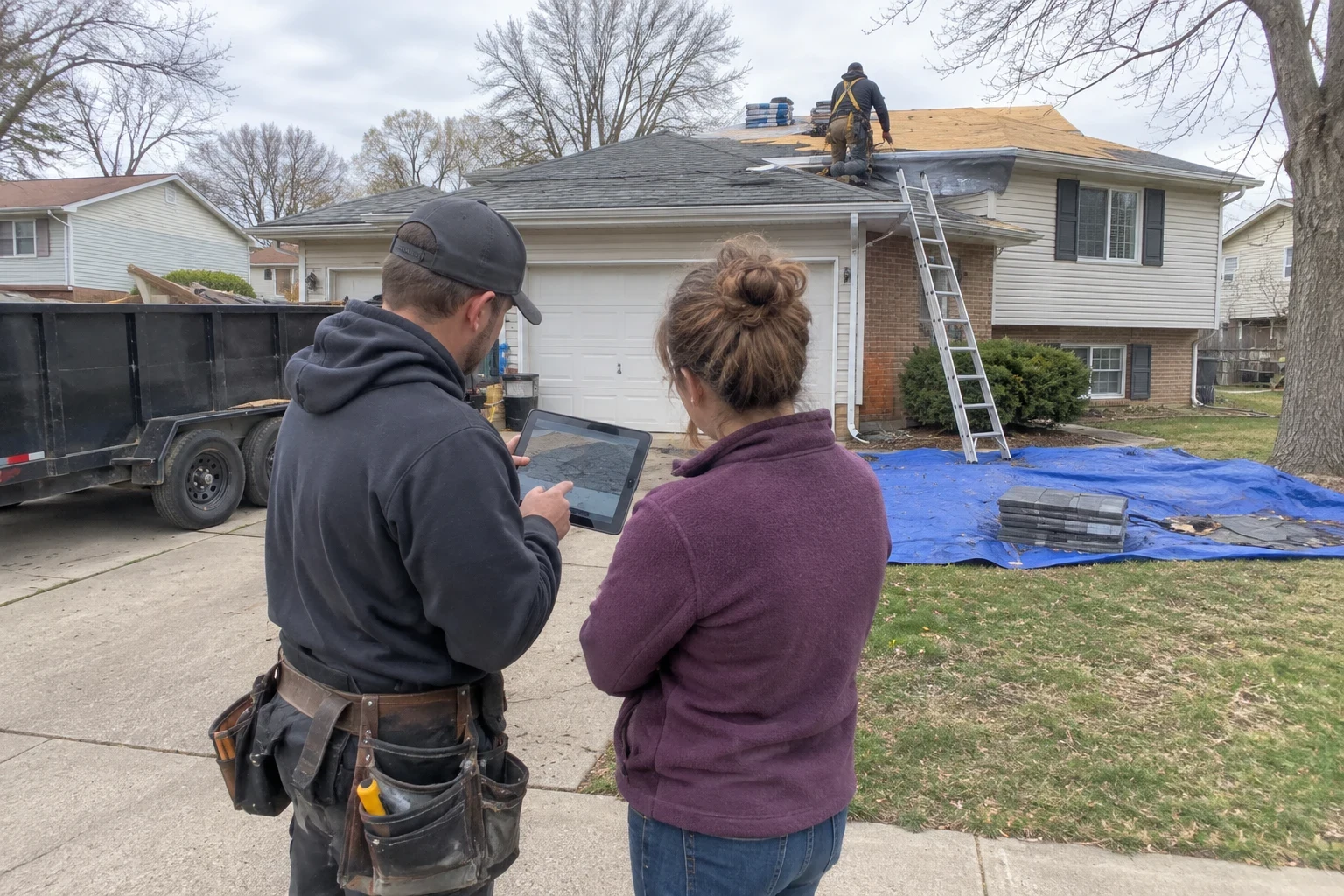
Prep and protection
We pull the permit where your town requires one, set the dumpster, and cover landscaping and AC units. We will also ask you to move cars and anything hanging on interior garage walls, since hammering can shake them loose.
- 4
Tear-off and install
We work section by section and dry in any open area before we stop for the day. Most single-family homes take one to two days, depending on size and weather.
- 5
Final walk-through
We check every flashing detail, sweep for nails and show you photos of the finished work, including the parts you cannot see from the ground.
Shingle roofing questions we hear often
Is it okay to lay a new layer of shingles on top of the existing roof?
It is allowed in some cases, but it is not what we recommend. A second layer hides the deck from view, traps heat under the new shingles and leaves tired flashing in service. When we strip to bare sheathing, we can swap out soft spots and give the new shingles a flat, even surface to seal against.
How long will architectural shingles last?
Installation and ventilation matter as much as the label. A shingle over a well-vented attic with correct nailing will far outlast the same shingle over a hot, poorly vented one. We check both before we quote.
Are dark streaks a reason to replace my roof?
Usually not. Those streaks are typically algae feeding on the limestone filler in the shingles. It is mostly cosmetic, and we will tell you so if that is all we find.
Should I consider impact-resistant shingles?
If hail has damaged your home before, they are worth a conversation. They use a rubberized asphalt that resists cracking. Some insurers adjust premiums for them, so ask your agent before you decide.
Can shingles go on in cold weather?
Yes, with care. Seal strips need warmth from the sun to bond, so on cold days we hand-seal tabs with roofing cement where needed and store bundles where they will not get stiff and brittle.
Hail hit my shingles. Can you help with the claim?
We work with homeowners and insurance companies on storm damage claims. We document the damage with photos and measurements you can share with your adjuster. Our Storm Damage Repair page covers that process in more detail.
Find out what your shingles really need
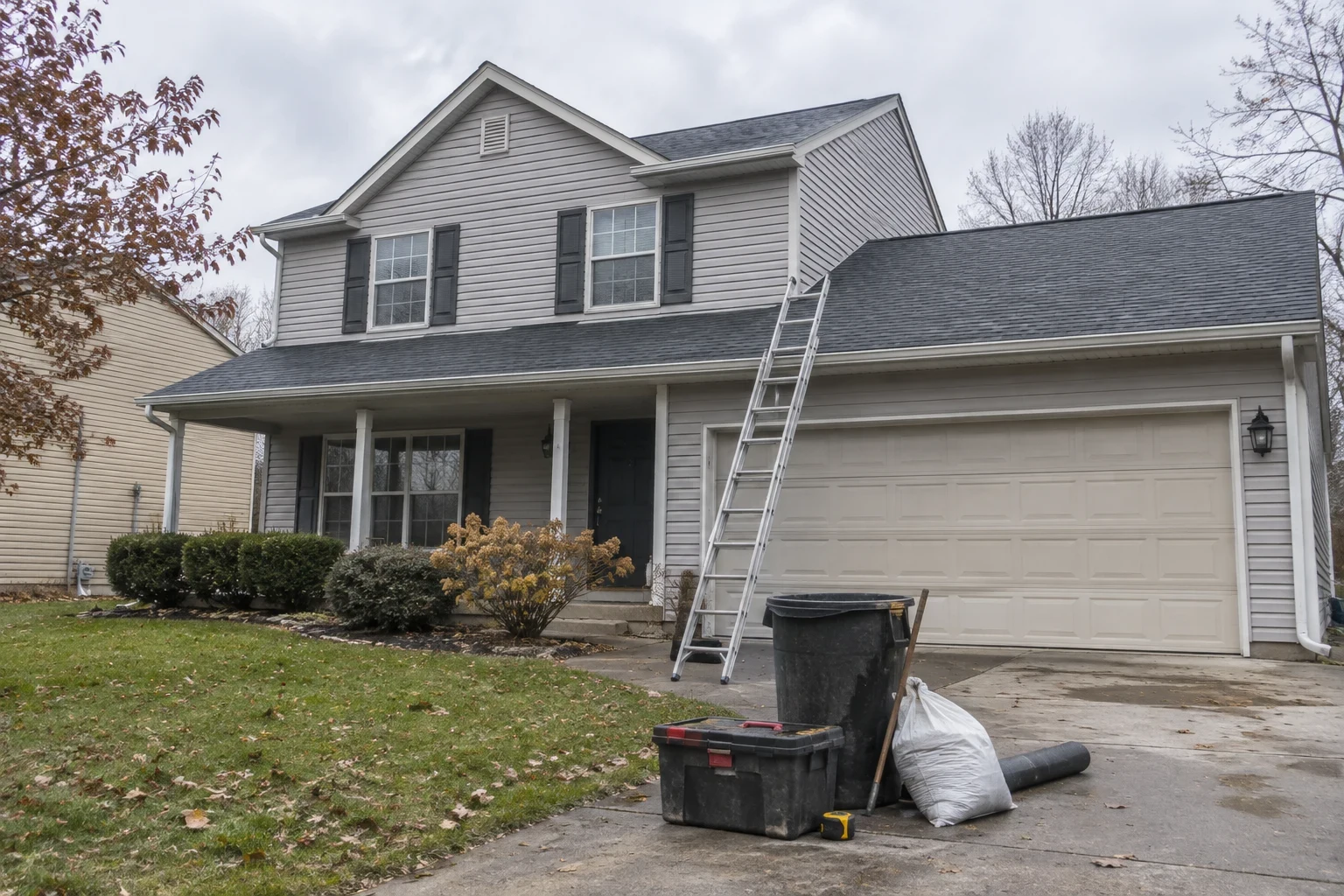
We will inspect your roof and attic, show you photos of what we found and explain your options plainly. No pressure to replace a roof that still has life in it.