ServicesStorm Damage Repair
Storm Damage Repair in Warren Park
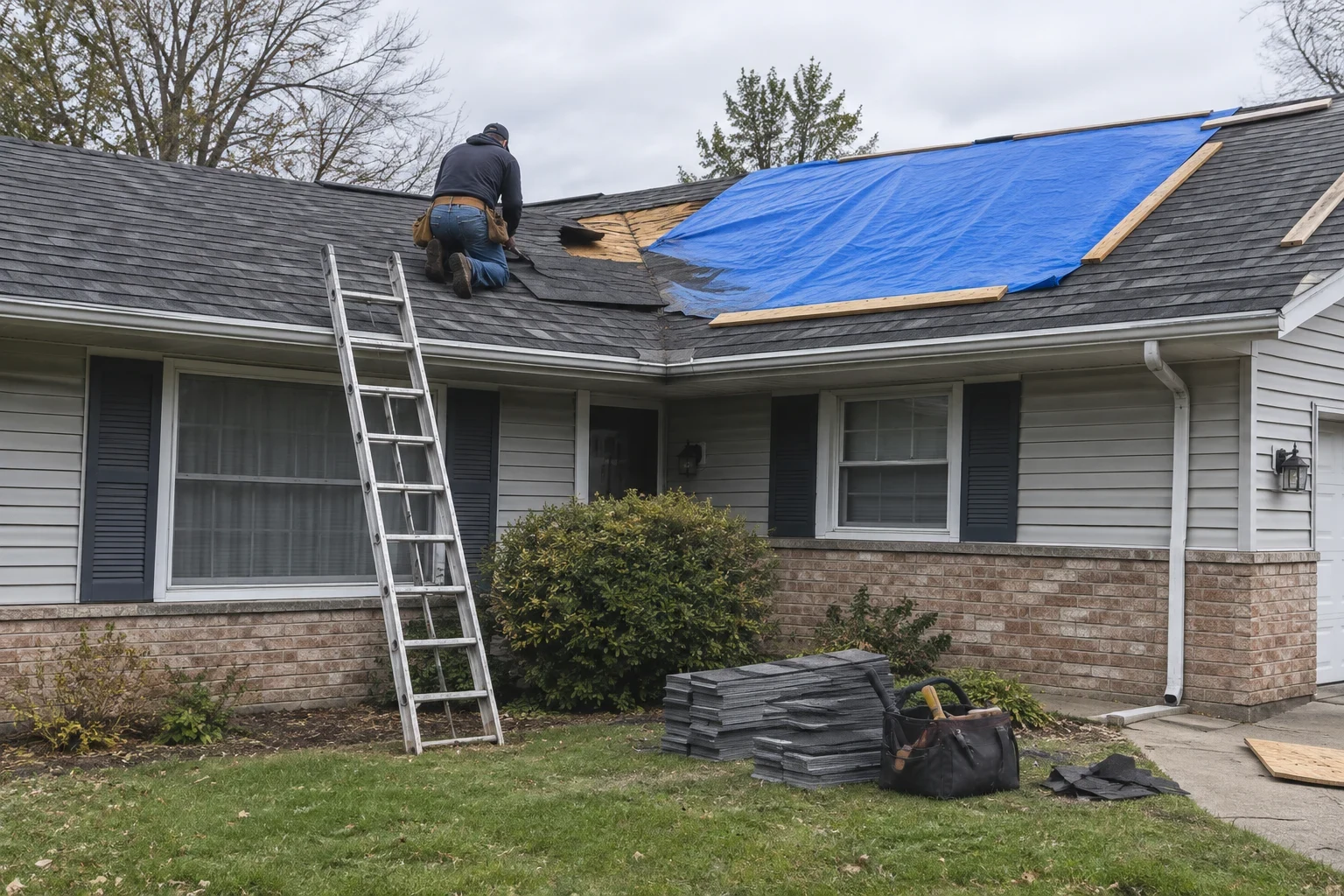
Hail bruises and wind-lifted shingles are easy to miss from the yard and easy to oversell from a ladder. We walk your roof, photograph what the storm actually did and explain it plainly before anyone talks about a claim or a repair.
What storm damage repair covers
Storm damage repair restores the parts of your roof that hail, wind or falling limbs have broken. Some of that is obvious, like a missing ridge cap or a shingle folded back over itself. Most of it isn't. A hailstone can crack the fiberglass mat under an asphalt shingle without knocking off a single tab, and a strong gust can break the adhesive seal strip so the shingle flaps loose in the next storm.
We start every storm call with an inspection, because the right answer depends on what is there. Sometimes it is a handful of replaced shingles and a resealed vent boot. Sometimes the damage is spread across every slope and the policy covers a full roof replacement. And sometimes the roof is fine and we tell you so.
When a claim is worth filing, we work with homeowners and insurance companies on storm damage claims. We document the damage and explain it to your adjuster, but the adjuster and your policy decide coverage.
What the work includes
Slope-by-slope roof walk
We check each roof plane for hail impacts, creased or missing shingles and exposed nail heads. We also look at the soft metals, such as vent caps, flashing and gutters, because dents there help confirm hail size.
Dated photo documentation
You get photos of each damaged area with chalk marks showing impacts, plus wide shots that show where on the roof they sit. Those photos are what an adjuster needs to see.
Shingle and seal repair
We replace cracked, creased or missing shingles and hand-seal neighboring tabs whose adhesive strip let go. Underlayment that was torn or exposed is patched before new shingles go down.
Flashing, vents and ridge
Wind tends to pry at the edges first. We refasten or replace lifted drip edge, step flashing, pipe boots and ridge cap so water has no new path in.
Gutter and downspout damage
Hail dents and ice or limb strikes can pull gutters out of pitch. We note it while we're up there and handle the fix through our gutters service when it is part of the job.
Signs your roof took storm damage
- Granules washing out of downspouts
- Hail knocks the ceramic granules off asphalt shingles. If the splash block under a downspout is suddenly coated in coarse black sand after a storm, the shingles above likely have bare patches.
- Dents in vents and gutters
- Aluminum dents at lower hail sizes than shingles do. If the vent caps or gutters show round dings, the shingles beside them deserve a closer look.
- Shingles on the lawn
- A missing tab means the ones around it were stressed too. Their seal strips are often broken even where the shingle is still in place.
- New stains on the ceiling
- A water spot that appears within days of a storm points to an opening at a penetration, a lifted flashing or a punctured shingle.
- Limb strikes
- A branch that hit the roof can crack decking under shingles that look intact. Spring thunderstorms in central Indiana bring down plenty of them, so have any roof a limb has touched checked.
How a storm damage job runs
- 1
You call, we book the visit
Phone us and we set a time for a free roof inspection. You don't need to have filed a claim yet, and it's usually better if you haven't.
- 2
Roof walk and plain findings
We go up, mark and photograph the damage, then sit down with you and explain what we found and what it means. If it isn't storm damage, we say so, and we point out wear or old repairs separately so nothing gets mixed together.
- 3
Claim support if it fits
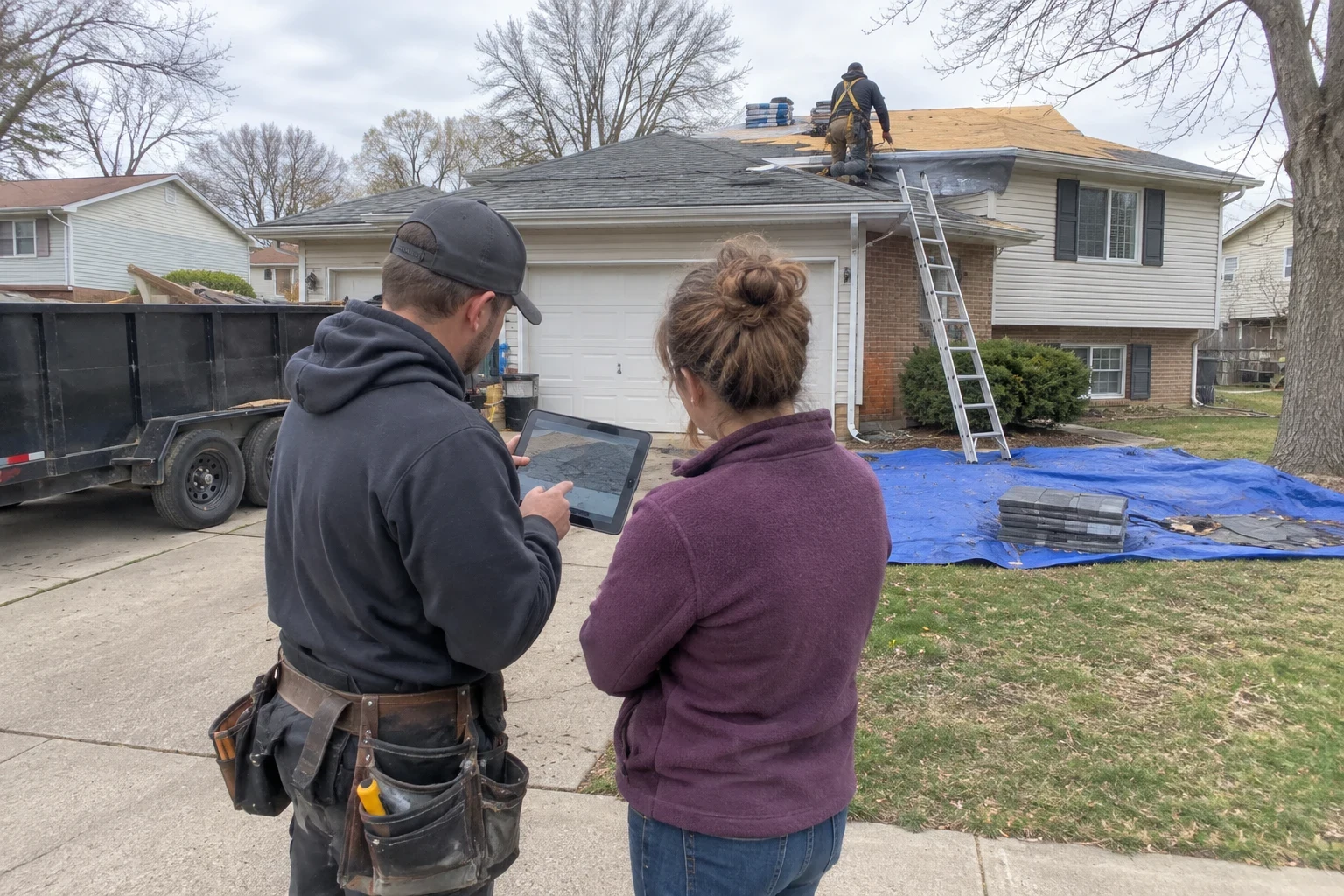
If the damage looks covered, you file the claim and we can be on the roof when the adjuster visits to walk through our photos. We don't negotiate your settlement or speak for your insurer.
- 4
Written scope and repair day
Once the scope is settled, you get it in writing before work starts. On the day we protect landscaping and the walls below the eaves, make the repairs and run a magnet over the yard and driveway for nails.
What moves the cost of storm repair
Storm work is priced from what we find on the roof, not from a flat rate. When insurance covers the damage, your share is usually set by your deductible and policy terms, which we don't control. Financing is available for work you pay for directly.
- How far the damage spreads
- A few wind-torn shingles on one slope is a small repair. Hail impacts across every plane often push the job toward replacement.
- Matching existing shingles
- Manufacturers retire shingle lines, and older colors weather in the sun. When nothing on the market comes close to what you have, we may need to replace a wider section so the patch blends in and the new courses lock and seal with the old.
- Decking and underlayment
- Cracked or water-softened plywood under the damage has to be cut out and replaced. We can't confirm that until shingles come off, so we tell you up front it's possible.
- Code items triggered by the work
- Larger repairs may require a permit and current code details, such as drip edge or ice and water shield at the eaves, that the original roof didn't have.
What homeowners ask us after a storm
- Is it better to have the roof looked at first, or file my claim first?
- Usually it makes sense to let us inspect the roof before you contact your insurer. Our marked photos show whether there is real damage worth claiming. Insurers can keep a record of a claim even when the roof turns out to be undamaged, so it helps to know what you are reporting.
- My roof looks normal from the yard. Could it still be damaged?
- Yes. Hail can fracture the fiberglass mat inside a shingle or strip away granules without changing how the roof looks from below. A strong gust can also break the adhesive seal strip, leaving a shingle lying flat but no longer bonded to the course under it. Both shorten the life of your roof, and both are only visible up close.
- Can you be on the roof when the insurance adjuster comes out?
- We can meet the adjuster at your home and walk through the damage we marked and photographed. The coverage decision still belongs to the adjuster and your policy. We are there so nothing on the roof gets overlooked.
- What happens if the problem turns out to be age, not the storm?
- We tell you that directly. Normal aging, blistering and old nail pops are not storm damage, and we will not describe them as storm damage. If the roof still needs work, we can go over your roof repair options as a separate conversation.
- Will the new shingles match the rest of my roof?
- We look for the same product line and color first. If that line has been discontinued, we show you the closest available shingle and explain whether the difference will be noticeable before you make a decision.
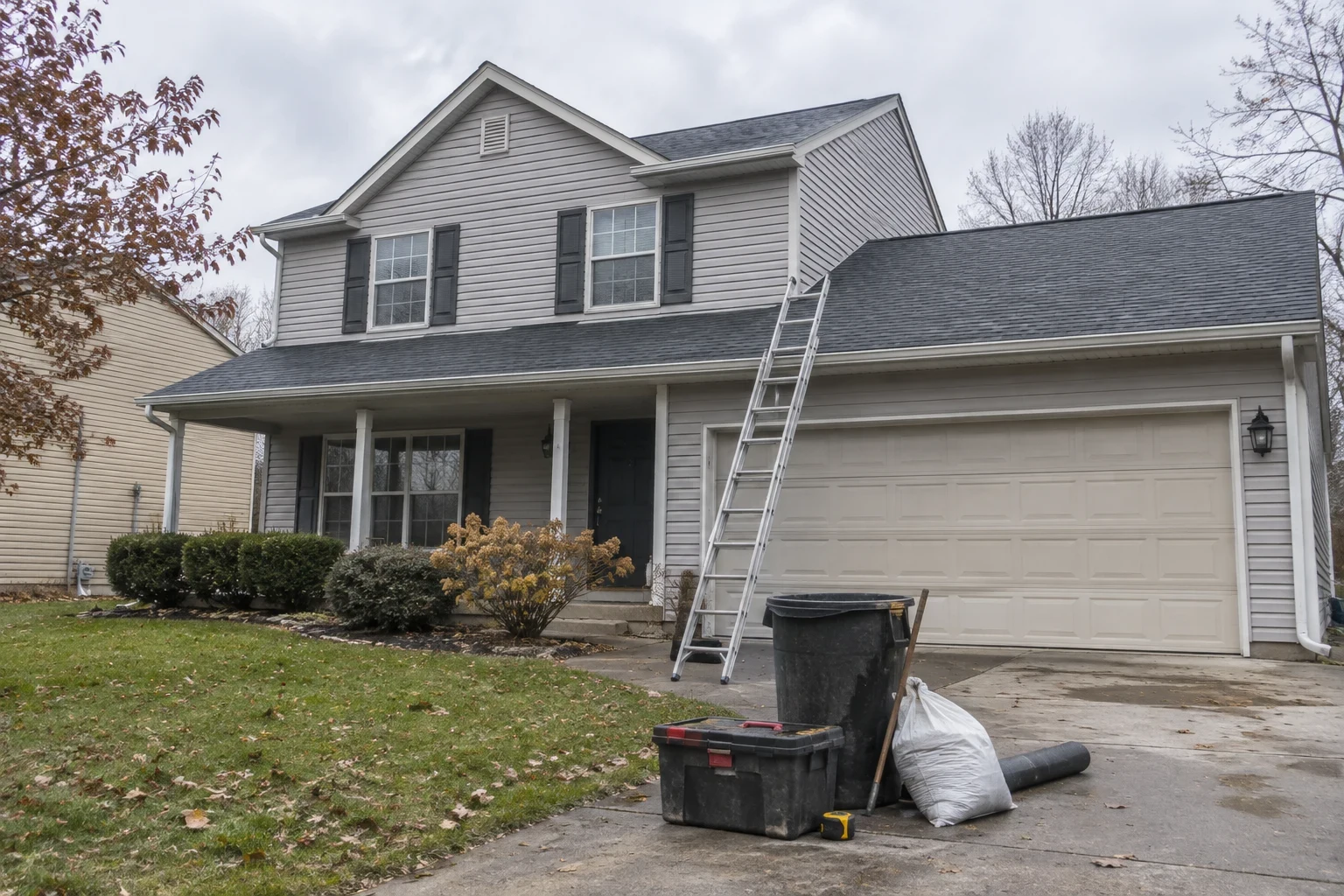
Had hail or high wind roll through?
Let us get on the roof before you call your insurer or sign anything. We'll walk you through marked photos of each problem spot and tell you honestly whether the storm caused it.